
From Tension to Triumph

Updated: Sep 30
Why Chair Massage is the Wellness Trend Every Company Needs

Why are workplace wellness programs on the rise, and why are they crucial?
Trend Growth:
Wellness programs have seen a surge due to the growing focus on employee well-being, mental health, and retention. A study by the Global Wellness Institute (2023) reports that corporate wellness is a $66 billion industry, projected to grow as companies prioritize work-life balance and mental health.
Employee Expectations:
According to a survey by MetLife, 76% of employees believe companies should offer wellness benefits. Younger generations (Millennials and Gen Z) are especially vocal about wanting employers to care about their holistic well-being.
Burnout Epidemic:
The World Health Organization (WHO) now recognizes workplace burnout as an occupational phenomenon. In a 2022 Gallup survey, 44% of employees reported feeling burnt out, driving the demand for proactive wellness solutions.
What makes chair massage unique compared to other wellness initiatives?
Immediate Benefits:
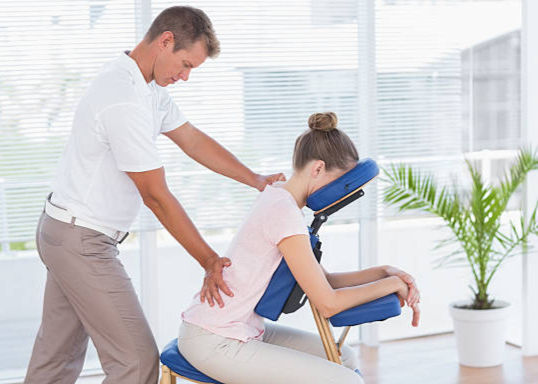
Chair massages provide instant relaxation in just 10–15 minutes, unlike other wellness initiatives (e.g., gym memberships or therapy access) that take time to show results.
On-Site Convenience:
Services can be easily integrated into the workplace during lunch breaks or team meetings, requiring minimal disruption to work schedules.
Inclusivity:
Unlike activities like yoga or fitness classes, chair massage accommodates people of all ages, physical abilities, and fitness levels.
How does chair massage improve employee morale, mental health, and productivity?
Stress Reduction:
Chair massage has been shown to reduce cortisol (stress hormone) levels by up to 31%, according to a study published in the Journal of Workplace Health Management.
Boosts Morale:
According to a Deloitte report, employees who feel cared for are 70% more likely to be engaged at work. Massage can be a morale booster by providing a tangible way to show appreciation.
Enhanced Productivity:
A case study at a Fortune 500 company found that employees who received bi-weekly chair massages showed a 20% increase in focus and productivity.
What evidence supports the effectiveness of chair massage?
Clinical Studies:
A 2017 study by the Touch Research Institute found that massage improves mood, reduces anxiety, and promotes better sleep among employees.
A meta-analysis published in the Journal of Occupational Health Psychology found that short massage sessions lowered heart rates and decreased workplace tension.
Case Studies:
Google: Offers on-site massage to employees as part of their wellness initiatives. Employees report feeling recharged and less stressed after sessions.
Microsoft: Includes chair massage during busy product launch periods to prevent burnout. Their internal studies showed a decrease in reported stress levels.

How can companies get started with chair massage programs affordably and scalably?
Costs and ROI:
Chair massage programs are cost-effective. Many providers offer packages that scale based on team size, making it accessible for small and large companies alike.
Implementation Tips:
Partner with mobile massage providers who specialize in corporate wellness.
Start with monthly or quarterly events to gauge employee interest.
Combine massage with other wellness events like meditation or lunch-and-learn sessions for added value.


wellness programs empower employees to thrive both personally and professionally, creating a more engaged and productive workforce.
Wellness programs boost morale, improve satisfaction, and create a healthier, more efficient workplace.
Workplace stress and burnout are at all-time highs. Companies are turning to wellness programs to combat these issues and boost employee satisfaction.